Sweat, Breathe, Rebel: The NYC Wellness Scene That Refuses to Be Sold a Gym Membership
Let's be honest about something: the wellness industrial complex is exhausting. The $45 spin classes, the collagen peptide add-ons, the apps that charge you for breathing exercises — at some point, the pursuit of feeling good started feeling like a second job with a really aggressive marketing budget. A lot of New Yorkers have hit that wall. And instead of signing up for another membership, they're building something entirely different.
Call it the wellness rebellion. It's happening in converted lofts in Crown Heights, in public parks at 6 a.m., in basement spaces that smell like incense and old wood, and yes — occasionally — at underground late-night events where the line between a rave and a cardio session gets genuinely blurry. It's DIY, it's communal, it's sometimes a little chaotic, and it is, by almost every measure, more interesting than anything happening inside a branded studio.
When the Workout Becomes the Party
The crossover between nightlife and fitness isn't new in New York — Morning Gloryville was throwing sober dance cardio events years ago. But what's emerging now feels rawer and less polished, more deeply tied to the city's underground culture than to any wellness brand's content calendar.
At certain late-night events in warehouses across Brooklyn and Queens, you'll find people doing exactly what they'd do at a club — moving, sweating, connecting — except the DJ is playing a set specifically designed around BPM ranges that keep your heart rate in a sustained cardio zone, and someone has chalked breathing cues on the walls. These aren't official fitness classes. They're not insured. They don't have liability waivers. They're just people who figured out that dancing for three hours is better exercise than anything a personal trainer has ever prescribed, and that doing it with a hundred strangers in the dark feels like communion.
"I haven't set foot in a gym in two years," says one regular attendee who works in tech and asked to remain unnamed. "I go to these things twice a week and I've never felt better. There's something about the anonymity and the music that makes you go harder than you ever would on a treadmill."
The Speakeasy Meditation Circuit
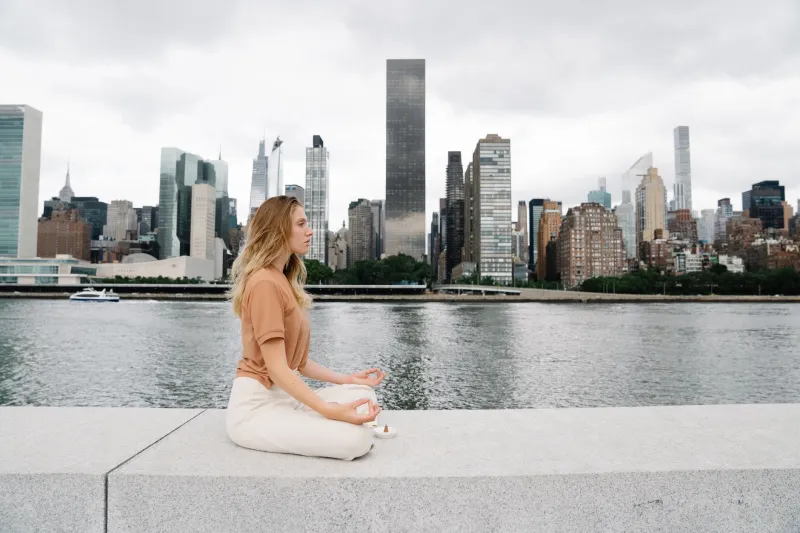
On the quieter end of the rebellion, a network of meditation and breathwork circles has been quietly expanding through New York's loft and studio spaces — operating not as businesses but as informal communities with rotating hosts, suggested donations, and a word-of-mouth exclusivity that would make any nightlife promoter jealous.
These aren't your corporate mindfulness sessions with a guided app and a branded eye pillow. Sessions often run two to three hours, incorporating breathwork techniques drawn from holotropic traditions, somatic therapy, and practices that don't map neatly onto any single wellness category. Facilitators are typically practitioners who trained outside the mainstream certification pipeline — people who learned in community, not in a weekend course.
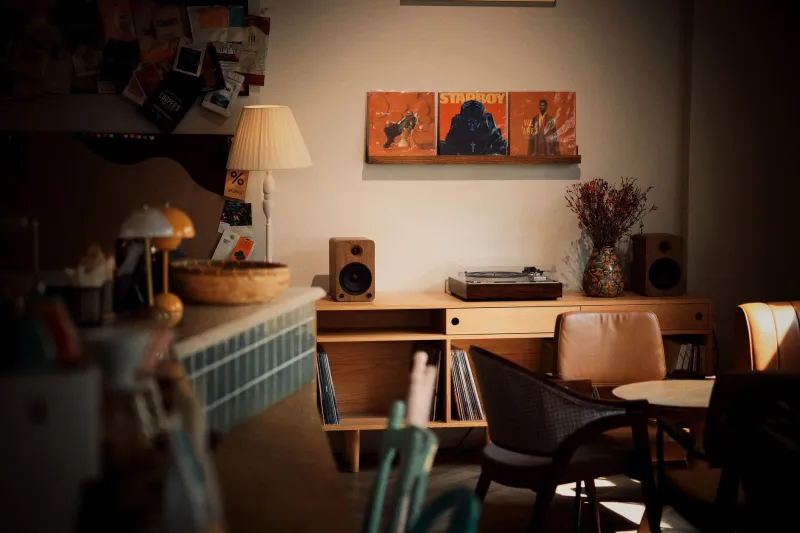
The settings matter enormously. A session held in a plant-filled Ridgewood loft with low lighting and handmade cushions hits differently than the same content delivered in a fluorescent-lit studio on 23rd Street. The environment communicates something about intention, about care, about the fact that someone made something for you rather than selling something to you.
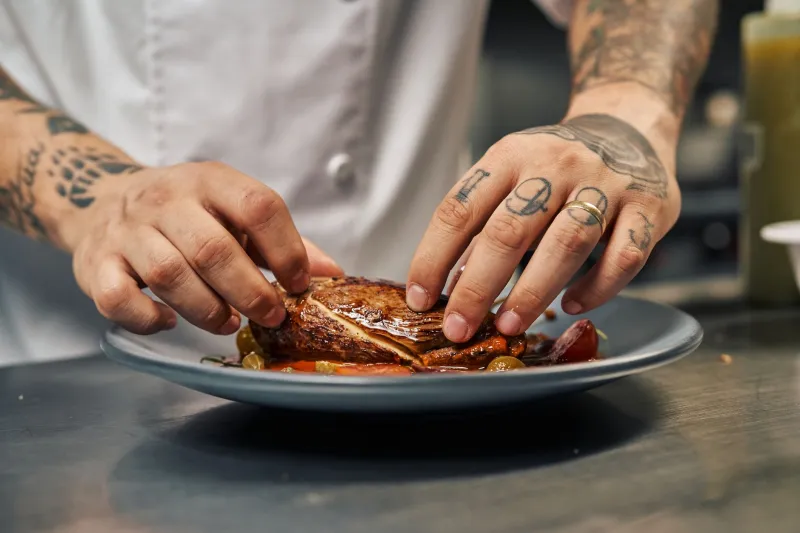
Food often plays a role here too — many circles end with a shared meal or a communal spread of drinks and snacks, which is where the Food & Drink dimension of this scene becomes genuinely interesting. Adaptogenic tonics, mushroom-based broths, and fermented beverages have become the social lubricant of the wellness underground, replacing alcohol as the thing you hold in your hand while you actually talk to people. Several small-batch producers operating out of Brooklyn and the Bronx supply these gatherings, building cult followings entirely outside of retail distribution.
Running Crews and the Reclamation of Public Space
Meanwhile, above ground and in broad daylight, a parallel movement has been reclaiming the city's streets and parks in ways that feel more like protest than exercise. New York's running crew culture — which has been building for years but exploded post-pandemic — now encompasses dozens of groups operating across every borough, each with its own identity, aesthetic, and social energy.
These aren't running clubs in the suburban 5K sense. They're communities with playlists and group chats and post-run rituals that sometimes involve a specific coffee shop, sometimes a particular bar, sometimes just standing on a pier watching the sun come up. The act of moving through the city together, of claiming space in neighborhoods that feel increasingly commercialized and unaffordable, carries a political dimension that participants are increasingly explicit about.
Some crews run routes that deliberately pass through historically significant locations, turning the workout into a kind of moving tour of the city's Black, Latino, and immigrant histories. Others organize night runs through neighborhoods undergoing rapid gentrification, a visible presence that asserts: we are still here.
The Anti-Optimization Manifesto
What unites these wildly different expressions of underground wellness is a shared rejection of the optimization mindset that mainstream fitness culture has fully absorbed. The idea that your body is a project to be managed, that your recovery needs to be tracked, that your sleep score matters — all of that gets quietly set aside in favor of something older and less quantifiable: the feeling of being in your body, in community, without an app monitoring whether you're doing it right.
It's not anti-health. It's anti-product. The people showing up to midnight breathwork sessions and 6 a.m. crew runs and warehouse dance cardio events care deeply about how they feel. They're just no longer willing to pay a subscription fee to be told how to feel it.
In a city that sells everything — including, aggressively, the idea of wellness — building something that refuses to be sold is its own kind of radical act. And honestly? It looks like a really good time.