Turn Back the Clock: The Vintage Bars Giving New Yorkers Permission to Unplug
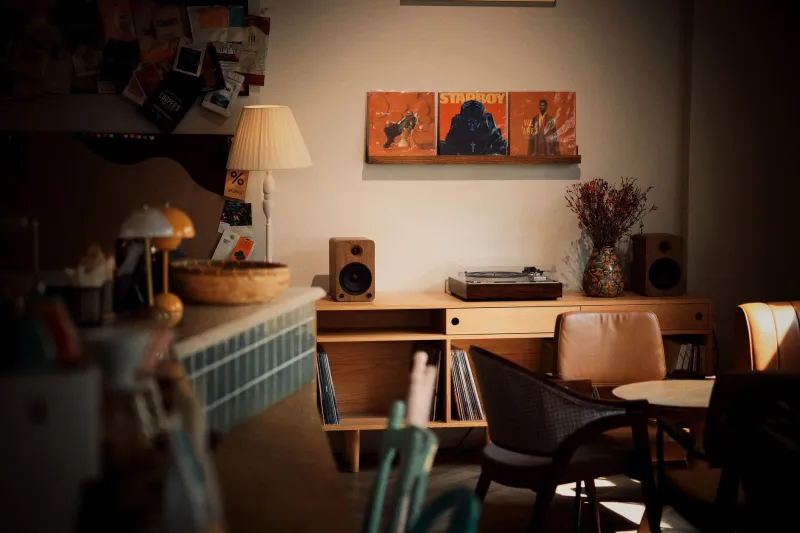
The reservation was for 9 p.m. on a Thursday, and the instructions were specific: find the door with the brass fixture on a side street in the West Village, knock twice, mention the name of a cocktail from the 1940s. Inside, no overhead fluorescents. No screens mounted above the bar. No QR code menus. Just candlelight, a bartender in a waistcoat muddling something aromatic, and the warm crackle of a Chet Baker record playing at a volume that invites conversation rather than shouting over it.
This wasn't a film set. This was a Thursday night in New York City, and it was booked out for the next three weeks.
Something is happening in NYC's nightlife landscape, and it runs completely counter to the direction the rest of the entertainment world is sprinting. While the broader industry doubles down on immersive tech experiences, LED-drenched venues, and social-media-optimized photo moments, a growing number of bars across Manhattan and Brooklyn are doing the opposite — stripping everything back to an era before smartphones, before Instagram, before the anxiety of being permanently online became just another thing New Yorkers carry around like a MetroCard.
Why Right Now?
To understand why the retro bar trend is landing so hard in 2024, you have to understand what it's reacting against. The pandemic fundamentally rewired how New Yorkers relate to screens — we lived inside them for two years, worked in them, socialized through them, collapsed into them at the end of every identical day. When the city finally exhaled and people started going out again, some discovered they didn't want another glowing rectangle. They wanted an actual room. With actual people. And an actual drink.
"I think people are craving permission," says Claudette Moreau, co-owner of a mid-century-themed lounge in Cobble Hill that she opened with her partner in late 2022. "Permission to put the phone down and just be somewhere without documenting it. We're basically selling the experience of being present, which sounds absurd, but here we are."
Claudette's bar — all tufted leather banquettes, amber lighting, and a menu that draws from pre-Prohibition cocktail traditions — has a soft phone policy. Not a ban, but a vibe. The lighting is too warm for a decent photo anyway, which she freely admits is intentional.
"If you can't get a good shot, you stop trying," she says with a grin. "And then you start actually talking to the person across from you."
The Aesthetics of Elsewhere
What distinguishes the best of these spots from a Halloween-store version of the past is the specificity of their references. The owners doing this well aren't just slapping up some Edison bulbs and calling it vintage. They're doing deep research — into particular decades, particular cities, particular subcultures.
One bar in the East Village channels the energy of a late-'50s jazz club on 52nd Street, right down to the hand-lettered chalkboard set lists and the bartenders who can actually talk to you about the records they're spinning. Another spot in Williamsburg leans hard into early-'70s downtown Manhattan — the Max's Kansas City era — with period-appropriate art on the walls and a cocktail list that references the creative chaos of that particular moment.
"We're not trying to be a theme bar," explains Dario, the creative director behind a recently opened lounge in the Flatiron district that draws from the aesthetic of 1960s Italian aperitivo culture. "We're trying to build a world. There's a difference. A theme bar is a costume. What we're doing is more like method acting."
Dario spent eight months sourcing furniture, light fixtures, and barware before opening. The vintage Campari posters on the walls are originals, not reprints. The glassware came from an estate sale in Milan. The detail-obsession shows — and New Yorkers, who have notoriously high standards for authenticity, feel it.
The Vinyl Factor
No element of the retro bar experience has proven more powerful — or more talked about — than the return of vinyl. In a city where music has been reduced to a Spotify playlist shuffling in the background, there's something almost radical about a bar where someone is physically selecting records, dropping a needle, and letting an album play the way it was meant to be heard.
"People stop mid-conversation when a side ends and we flip the record," says Marco, a bartender and resident DJ at a speakeasy-style bar in Nolita. "They notice. It creates this little shared moment that you just don't get from a streaming playlist. The music feels intentional because it is intentional."
Marco maintains a collection of over 800 records behind the bar, organized by mood rather than genre. A quiet early-evening crowd might get Astrud Gilberto or Bill Evans. As the night deepens and the room fills, he'll drift toward Marvin Gaye, early soul, maybe some classic funk. The bar doesn't have a DJ booth in the traditional sense — he works from a small turntable setup beside the ice well, which means the music selection is happening inches from where he's making your Negroni.
Who's Actually Showing Up?
Here's what's interesting about the demographic breakdown of these spaces: it's not just nostalgic Gen Xers chasing their twenties. The crowds skew younger than you'd expect, with millennials and older Gen Z making up a substantial portion of the regulars.
"I'm 26," says Priya, a graphic designer who visits one of the West Village retro bars nearly every other week. "I have no personal nostalgia for the '60s. I wasn't there. But there's something about these spaces that feels like breathing room. Everything in my actual life is optimized and tracked and monetized. Coming here feels like opting out of all of that for a few hours."
That sentiment comes up again and again in conversations with patrons. Less about longing for a specific past, more about longing for a specific pace. Slower. More deliberate. Less performative.
The Craft Cocktail Connection
The analog bar movement and the craft cocktail renaissance aren't separate trends — they're deeply intertwined. The same curiosity that drives bartenders to research pre-Prohibition techniques and source obscure amari is the same impulse that makes a bar owner spend three months tracking down an authentic mid-century backbar. Both are reactions against convenience culture. Both insist that the best things take time and attention.
The cocktail menus in these spaces tend to be short — eight to twelve options, usually — and written with the kind of narrative care you'd expect from a literary magazine. Each drink has a story, a reference point, a reason for existing beyond "this sounds fancy." And the bartenders can actually tell you that story, because they're not slammed with a hundred orders and a touchscreen system. The pace is slower. The conversation is part of the service.
A City That Keeps Surprising Itself
New York has a long history of inventing what comes next, burning it down, and inventing something completely different in the ashes. The retro bar movement is, in its own way, another expression of that restlessness — a city so saturated with the future that it's started finding novelty in the past.
But call it what you want: escapism, counter-programming, or just really good vibes in a dark room with a well-made drink. Whatever the reason, New Yorkers are showing up, putting their phones face-down on the bar, and staying a little longer than they planned. In a city that's always rushing somewhere, that might be the most radical thing of all.