Chopped Cheese Dreams: Why NYC's Fine Dining Scene Is Going Back to the Bodega
The chopped cheese is not on the menu. It never is. But if you know the chef — or if you've been coming in long enough that you've become a regular — there's a version of it here, reimagined with dry-aged beef, a house-made hot sauce that took six months to develop, and a brioche roll that gets pressed until the cheese caramelizes into something almost architectural.
This is dinner at a restaurant in the East Village that holds two Michelin stars and requires a reservation made approximately four weeks in advance. And somehow, the spiritual anchor of the whole tasting menu is a $4 deli sandwich.
Welcome to one of the most interesting identity shifts happening in New York's food scene right now.
The Corner Store as Culinary Muse
For decades, fine dining in New York looked outward for inspiration — to French technique, to Japanese precision, to Scandinavian minimalism. The bodega, meanwhile, sat on every block doing what it always does: feeding the city quietly, efficiently, and without any particular need for critical recognition.
Something has shifted. A growing number of the city's most acclaimed chefs are looking inward — specifically, at the corner stores that shaped how millions of New Yorkers actually eat. Not as a gimmick. Not as ironic nostalgia. But as a genuine source of flavor memory, cultural authenticity, and culinary identity.
"The bodega is where I actually grew up eating," says a chef who runs a celebrated tasting menu restaurant in Harlem. "It's where my palate was formed. Why would I spend my career pretending that didn't happen?"
That question is being asked — and answered — all over the city right now.
What the Bodega Actually Brings to the Table
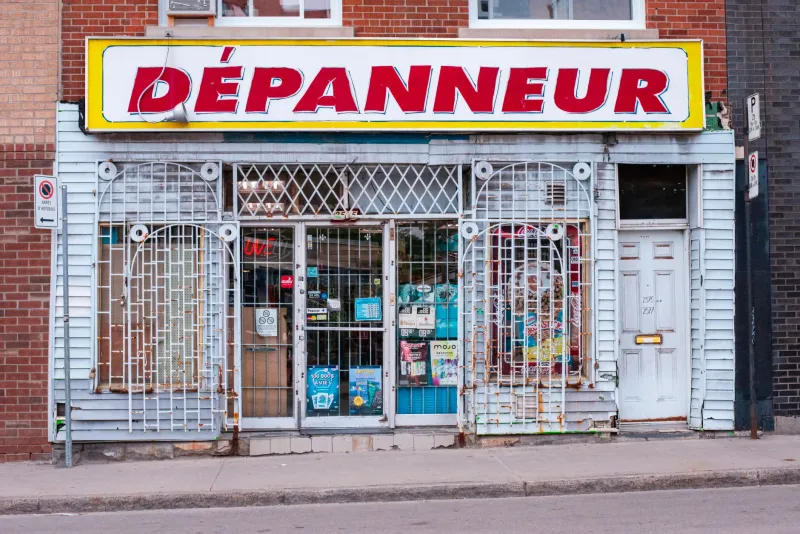
To understand why this trend has legs, it helps to understand what bodegas actually represent in New York's food ecosystem. They're not just convenience stores. In neighborhoods across the Bronx, Brooklyn, and Upper Manhattan, the corner bodega functions as a pantry, a social hub, a cultural institution, and in many cases, a genuinely excellent kitchen.
The ingredients stocked on those shelves — Goya sofrito, Badia spices, Bustelo coffee, Goya beans in seventeen varieties, plantains at every stage of ripeness — represent the flavor foundations of Caribbean, Central American, West African, and South Asian cooking traditions. These aren't compromise ingredients. They're the real thing, and they've been hiding in plain sight on every block in the outer boroughs for generations.
Chefs who grew up eating this food recognize something that the farm-to-table movement, for all its virtues, sometimes missed: that flavor doesn't require pedigree. A can of Goya pigeon peas carries as much culinary potential as a heritage grain from an upstate farm. The technique and intention you bring to it are what matter.
The Restaurants Making It Work
The bodega-to-fine-dining pipeline is showing up in genuinely varied ways across the city.
In Williamsburg, there's a tasting menu spot that structures its courses around the rhythm of a bodega day — the morning coffee and bacon-egg-and-cheese energy, the afternoon sandwich lull, the late-night hot food counter. Each course is technically ambitious but emotionally legible. You know exactly what feeling it's reaching for, even when you can't quite identify every component on the plate.
In the Bronx, a small neighborhood restaurant has built its entire identity around cooking with bodega-staple pantry items elevated through classical French technique. Sofrito becomes the base for a beurre blanc. Bustelo gets incorporated into a dessert that would read as a sophisticated coffee course at any restaurant in the city — because it is one.
In Crown Heights, a chef who trained in some of the most formal kitchens in New York has opened a spot where the aesthetic is explicitly corner-store: fluorescent-adjacent lighting, deli-counter display cases repurposed as a bar setup, a menu printed on the kind of paper that looks like it came off a receipt printer. The food is exceptional. The vibe is deeply, intentionally familiar.
"I wanted people from this neighborhood to walk in and feel like the room was made for them," the chef told us. "Not like they were being let into someone else's space."
The Cultural Shift Underneath the Food
This movement is about more than flavor profiles and aesthetic choices. It reflects something larger happening in New York's food culture — a genuine reckoning with whose tastes and traditions get to be called sophisticated.
For years, fine dining operated on an implicit hierarchy that placed European technique at the top and treated everything else as either exotic inspiration or casual comfort food. That hierarchy is crumbling, and the bodega moment is one of the most visible signs of the collapse.
When a Michelin-starred chef says that Goya adobo is as legitimate an ingredient as fleur de sel, they're not being provocative — they're stating something that anyone who grew up cooking with it already knew. The validation is nice, but the knowledge was always there.
What's genuinely new is the willingness of fine dining spaces to let that knowledge lead rather than just borrow from it. There's a difference between a restaurant that uses plantains as a trendy ingredient and a restaurant where the chef's entire culinary vocabulary is rooted in the food culture that produced plantains. The city's most interesting spots right now are firmly in the second category.
What This Means for the City's Food Future
The bodega-inspired dining wave also has practical implications for how restaurants source, price, and present food. Chefs who are building menus around accessible pantry staples are often able to keep costs more manageable — which, in a city where a tasting menu can routinely run $200 per person before drinks, is not a small thing.
There's also something refreshing about the aesthetic accessibility of these spaces. The best of them don't require you to perform sophistication in order to enjoy the meal. You can come in knowing nothing about the technical process behind the dish and still connect with it immediately, because the emotional reference point is something millions of New Yorkers share.
The bodega never needed a rebrand. It was always feeding the city. Fine dining is just finally paying attention — and honestly, the food is better for it.