Stage Fright Is Dead: How NYC's Rogue Theater Makers Took Over Every Space But a Theater
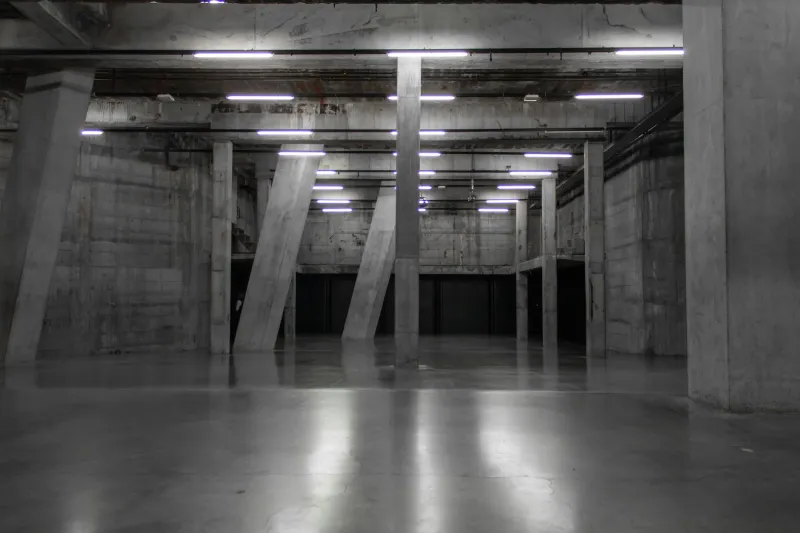
There's a moment, somewhere between ducking under a chain-link fence in Bushwick and finding yourself standing inside a gutted textile warehouse watching an actor perform six inches from your face, when you realize: this is what theater was always supposed to feel like. Not a seat in row L, not a playbill you'll lose in the cab home. This.
New York City has always had a theatrical heartbeat, but right now that pulse is beating loudest somewhere far from Times Square — in basement rehearsal rooms, decommissioned subway platforms, repurposed parking garages, and raw loft spaces that smell like paint and possibility. The underground theater scene is having a full-on moment, and if you haven't stumbled into it yet, you're missing the most exciting thing happening in this city after dark.
The Spaces That Started It All
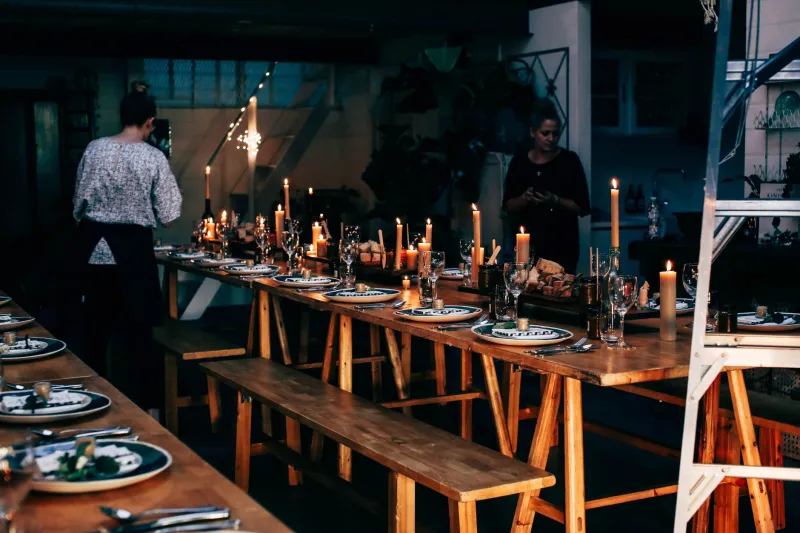
Credit where it's due: the pandemic broke something open. When legitimate venues shuttered and artists lost their stages overnight, a whole generation of theater makers stopped waiting for permission. They found empty warehouses in Red Hook. They negotiated short-term leases on derelict storefronts in the South Bronx. They staged readings in backyards and rooftops and, yes, the occasional subway tunnel during off-hours (don't ask how they got access).
What started as survival instinct hardened into aesthetic philosophy. Companies like Phantom Collective, which operates out of a former bottling plant in Greenpoint, and the Meridian Theater Lab, which rotates through different industrial spaces in Long Island City each season, have built loyal followings entirely outside the traditional theater circuit. No Playbill subscription. No institutional funding. Just a mailing list, a Venmo handle, and word of mouth that spreads faster than any press release.
"We stopped thinking about 'the theater' as a building," says one director who runs a collective out of a shared art space in Bed-Stuy. "The building was always the limitation, not the liberation."
Immersive Before Immersive Was a Buzzword
Long before Sleep No More made immersive theater a mainstream date-night option, downtown New York was experimenting with environmental staging — works where the audience moves through the space, where the fourth wall doesn't just break but never existed in the first place. What's different now is the scale and the ambition.
Productions are incorporating everything from live DJs threading original scores between scenes to site-specific choreography designed around the architecture of the space itself. One recent show staged in a former meatpacking facility in Gowanus used the building's original drainage channels as set pieces, turning industrial relics into symbols of systemic violence. It ran for three weekends. Every single performance sold out within hours of the link going live.
The audiences showing up aren't just theater kids, either. They're the same downtown crowd that lines up for gallery openings, that chases obscure DJ sets through the outer boroughs, that treats cultural discovery as a contact sport. For them, the underground theater scene scratches an itch that conventional entertainment simply can't reach.
The Talent Pipeline Nobody's Talking About
Here's what the industry insiders are starting to quietly acknowledge: the most interesting emerging theater talent in New York right now is coming up through these grassroots collectives, not through the traditional conservatory-to-off-Broadway pipeline. The experimental spaces are functioning as the real incubators — places where directors, playwrights, and performers can take genuine risks without the weight of institutional expectations crushing the experiment.
Several writers who first developed work in Brooklyn basements have since landed commissions at major regional theaters. Actors who cut their teeth in warehouse productions are showing up in off-Broadway casts, bringing a rawness and physical precision that directors describe as immediately recognizable. The underground is feeding the mainstream whether the mainstream admits it or not.
What makes the underground different, creatively, is the absence of a safety net. There's no dramaturg committee, no development workshop, no staged reading that stretches across three years before anything actually gets made. You write it, you find a space, you make it. That urgency produces a kind of theatrical electricity that's hard to manufacture anywhere else.
How to Find It (If You Know How to Look)
The underground theater world operates on deliberate obscurity — partly for practical reasons (some of these spaces are technically operating in legal gray zones), partly because exclusivity is part of the energy. But it's not impenetrable.
Start with Instagram. The most active collectives maintain accounts that announce shows with 48 to 72 hours' notice, often using coded language or location reveals that drop the day of. Following local arts zines like The Bushwick Dispatch or subscribing to community newsletters run by Brooklyn arts spaces will get you on the right mailing lists. Showing up to gallery openings in Greenpoint and Ridgewood and actually talking to people — radical concept — remains the single most reliable method.
Ticket prices typically run between $15 and $35, often pay-what-you-can for early supporters. Capacity is usually limited to under a hundred people. The intimacy is the point.
The Gatekeepers Are Getting Nervous
Not everyone is celebrating the renaissance. Some established theater institutions have begun making noise about safety codes, liability, and the "professionalization" of performance spaces — language that reads, to many underground practitioners, as thinly veiled protectionism. When your $15 warehouse show is generating more cultural conversation than a $120 Broadway ticket, the gatekeepers notice.
But the energy is too big to contain now. The audiences are there. The talent is there. The hunger is absolutely there. And in a city that has always rewarded the audacious, the most exciting theater isn't waiting for anyone's approval.
It's already happening. Probably somewhere near you. Tonight.