By Day They Ship Code, By Night They Run the City's Coolest Creative Collectives
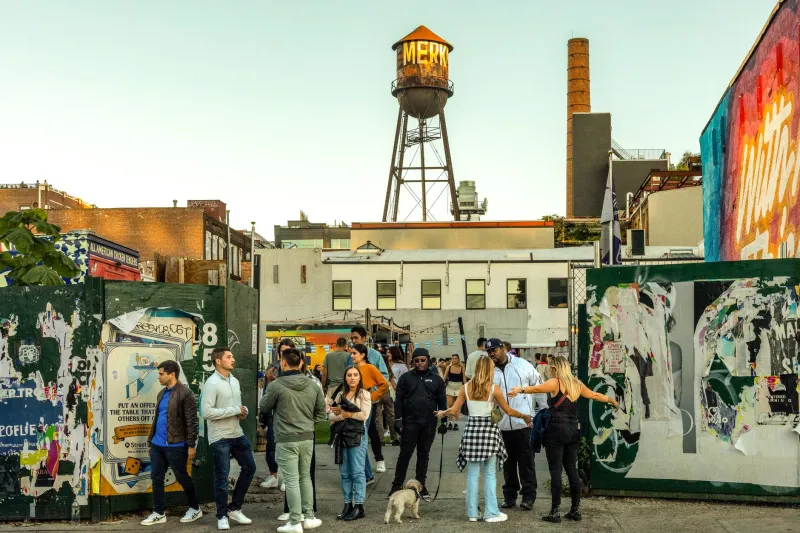
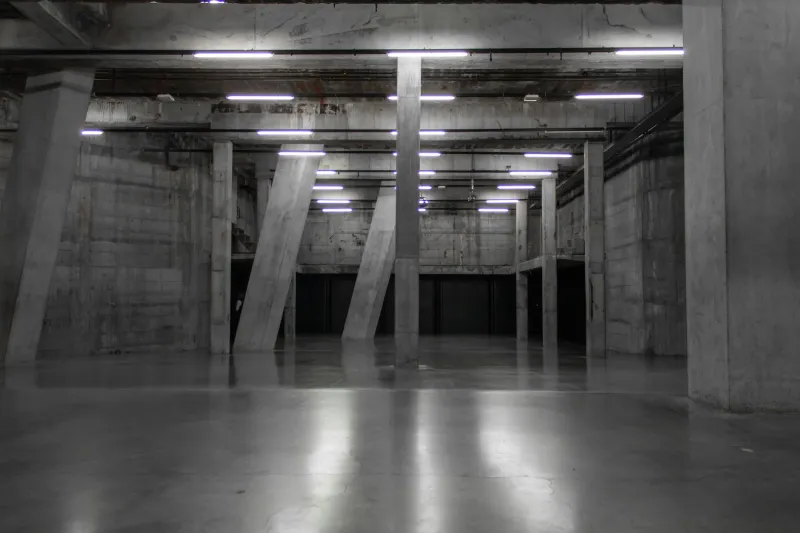
Somewhere in a repurposed warehouse off the Morgan L stop, a woman named Priya is setting up a 16mm film projector. Her day job? Senior machine learning engineer at a fintech startup in Midtown. Her night job — if you can even call something this passionate a job — is co-running Soft Reboot, an underground film collective that screens experimental shorts made entirely by people who spend their nine-to-fives writing Python and sitting through sprint retrospectives.
"People assume tech workers are creatively dead," Priya says, threading the film reel with the practiced ease of someone who's done it a hundred times. "But honestly, the burnout is what woke a lot of us up."
This is the other New York — the one that exists in the negative space between standups and OKR reviews. And it's louder, weirder, and more alive than most people realize.
The Burnout-to-Brushstroke Pipeline
If you've spent any time in New York's tech scene over the last few years, you already know the vibe has shifted. The post-pandemic wave of layoffs, return-to-office mandates, and general industry anxiety didn't just shake people's job security — it rattled something deeper. A lot of six-figure earners started asking uncomfortable questions about what they were actually building, and more importantly, for whom.
The creative pivot that followed wasn't exactly surprising if you know the city. New York has always had a talent for absorbing professional frustration and spinning it into culture. What is surprising is the scale and the sophistication of what's emerged.
There are fashion collectives run entirely by UX designers who got tired of optimizing other people's checkout flows. There are experimental music labels operated out of Crown Heights apartments by engineers who taught themselves synthesis the same way they once taught themselves React — obsessively, at 2 a.m., fueled by delivery burritos and spite. There are literary journals, ceramics studios, and, yes, film festivals like Soft Reboot, all quietly humming along beneath the surface of the city's official creative economy.
Fashion Week, But Make It a Merge Conflict
Take the collective known as 404 Studio — a name that's both a web error code and a wink at the idea of something that technically shouldn't exist. Founded by three product designers who met during a hackathon in 2021, 404 puts on quarterly fashion showcases in locations that change every time, announced only through a private Signal group.
"We don't want press, we don't want sponsors, we don't want a brand deal," says Marcus, one of the co-founders, who still works full-time at a SoHo-based e-commerce company. "The whole point is that it's ours. The second someone writes a Medium post about it with a hot take on 'tech-core aesthetics,' we've already lost."
The clothes themselves are genuinely striking — deconstructed workwear, garments embedded with NFC chips that play audio when you tap them with your phone, pieces that deliberately reference corporate dress codes and then completely destroy them. It's fashion as therapy, essentially. Or maybe fashion as revenge.
And they're not alone. Across Brooklyn and Lower Manhattan, similar collectives have sprung up in the last two years, sharing models, fabrics, and mailing lists with a collaborative spirit that feels almost deliberately anti-startup.
The DIY Label in Apartment 4C
Music might be where this movement is hitting hardest. New York has always been a city of bedroom producers, but the new wave of tech-worker musicians brings something different to the table: actual resources, actual equipment, and a frustration with the industry that's almost academic in its precision.
Jordan, a data engineer by day, runs Null Set Records out of his Ridgewood apartment. The label — if a Bandcamp page and a handful of cassette tapes count as a label, and in this city they absolutely do — puts out ambient and noise music made by people who work in tech. The concept started as a joke between coworkers and turned into something that now has a genuine following in the city's experimental music circles.
"We're not trying to go viral," Jordan explains. "We're trying to make something that feels true. There's something about working in a system that's entirely optimized for engagement and growth that makes you crave the opposite. Music that just exists, without needing to perform."
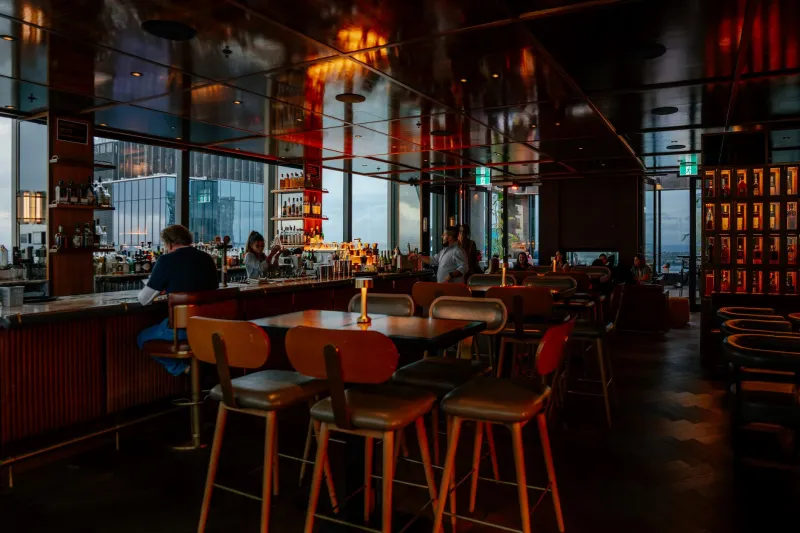
Null Set throws listening parties in friends' apartments, sometimes in bars that give them a back room for free. The vibe is low-key to the point of being almost confrontational — no DJ sets, no Instagram moments engineered into the experience. Just people sitting with sound.
The Tension Nobody Talks About
Here's the thing nobody in these circles really wants to say out loud: the day job makes all of this possible. The health insurance, the salary, the financial stability that lets someone spend $400 on a film projector or rent a studio space for a weekend — that's all coming from the same corporate machine they're creatively rebelling against.
It's a tension that sits at the center of everything, and the people living it are mostly okay with the contradiction. "I'm not delusional," Priya admits. "The job pays for the projector. But the projector is the real thing. The job is just how I fund it for now."
That "for now" carries a lot of weight in New York, where the dream of making the leap — from side project to main event — is both completely realistic and statistically unlikely. Some people in these scenes have already made it work: a 404 Studio co-founder recently left her tech job to design full-time, and Null Set's Jordan is in conversations about scoring a short film. Others are content to keep the two worlds permanently separate, protecting the creative space from the pressures that would inevitably come with monetization.
Why This Matters for the City
New York has always needed people who can afford to take up space without immediately turning a profit on it. Artists, weirdos, experimenters — they're what keeps the city from becoming a very expensive theme park version of itself. The tech workers who've quietly stepped into that role aren't replacing traditional creative communities, but they're adding something real to the mix.
And honestly? The work is good. Soft Reboot's last screening had a waitlist. The 404 Studio showcase in March drew a crowd that spilled out into the street. Null Set cassettes sell out in hours.
The Ctrl+Alt+Delete generation isn't escaping the city's creative life — they're crashing it, laptop bags and all, and quietly refusing to leave until they've made something worth staying for.