Secret Handshake Energy: The Real Rules Behind NYC's Most Local Spots
Let's start with what everyone already knows but nobody says out loud: there are two New York Cities running simultaneously, and they barely interact.
One is the New York of curated walking tours, TikTok restaurant queues, and rooftop bars that cost $22 for a gin and tonic. The other is the New York of the same barstool every Friday, of the counter guy who starts making your order when he sees you walk in, of the block party where nobody needs to introduce themselves because they've been showing up for fifteen years.
The second New York is not a secret. It's just not advertised. And the people who inhabit it have complicated feelings about letting anyone else in.
The Geography of Belonging
New York's social geography doesn't follow logic that outsiders can easily map. A bar in Bushwick can be simultaneously a neighborhood institution and completely invisible to someone who's lived three blocks away for two years. A Dominican lunch counter in Washington Heights can have a sixty-year legacy that gets zero press while a new ramen spot down the street generates a ten-story Instagram thread.
What determines insider status isn't exclusivity in the velvet-rope sense. It's accumulation. Time, repetition, relationship.
"People think there's a trick to it," says Marcus, who has tended bar at the same Ridgewood spot for eleven years and asked us not to name the place. "There's no trick. You come in, you're respectful, you come back. You don't make a big thing of yourself. Eventually you're just... part of it. But that takes time. Real time. Not two visits."
This is the first unwritten rule: presence compounds. The regulars at any genuinely local spot have usually been showing up for years, not months. They've seen the neighborhood change around them. They've watched other regulars come and go. Their belonging was earned through sheer, unglamorous consistency.
What Makes a Place 'Local' Anyway
The designation is slippery and contested even among New Yorkers. But there are markers that most people recognize.
A truly local spot usually has prices that haven't fully tracked inflation — not because the owners are saints, but because their customer base couldn't absorb the hit. It has at least one staff member who's been there long enough to be considered furniture. It has regulars who know each other's names and business without being asked. And critically, it has no Yelp strategy. The owner is not thinking about their star rating. They're thinking about whether Mrs. Cartagena's order came out right.
"The moment a place starts optimizing for the outside gaze, it stops being local," says Priya Nair, a longtime Astoria resident and food writer who has been documenting Queens' restaurant culture for a decade. "It's not about quality. Some of the best food in the city is in spots that have never been reviewed. It's about who the place is fundamentally built for."
That orientation — who is this place actually for — is what regulars can feel the moment they walk in somewhere. And what tourists often miss entirely.
The Gentrification Wrinkle
Here's where the conversation gets thornier. New York's neighborhoods have been shifting for decades, and the social hierarchies around local spots are not politically neutral.
In neighborhoods that have experienced significant gentrification — Crown Heights, Bed-Stuy, Inwood, Jackson Heights — the question of who gets to claim insider status is loaded with history. Long-time Black and Latino residents watch as their neighborhood institutions get "discovered" and flooded, while the spots that served them for generations either adapt uncomfortably or close under rising rent pressure.
"I've been going to the same spot on Nostrand for twelve years," says Darnell, a Crown Heights native in his late thirties. "Two years ago it started getting written up in food blogs. Now there's a line on weekends and people are taking photos of their food. The food is the same. The vibe is completely different. The people who made that place what it is don't really go anymore."
This is the uncomfortable truth at the center of the local/tourist binary: the very act of celebrating and publicizing a neighborhood spot can strip it of the quality that made it worth celebrating. Authenticity, documented and shared, tends to eat itself.
Business owners navigate this tension with varying degrees of success. Some quietly raise prices and lean into the exposure. Others deliberately resist — keeping hours unpredictable, maintaining cash-only policies, declining press. It's a form of community protection that looks like bad business but is actually something more intentional.
Breaking In (The Right Way)
If you're newer to a neighborhood and genuinely want to build real local relationships rather than just tourist-with-good-taste access, the regulars we spoke to were surprisingly generous with their advice — even if their first instinct was suspicion.
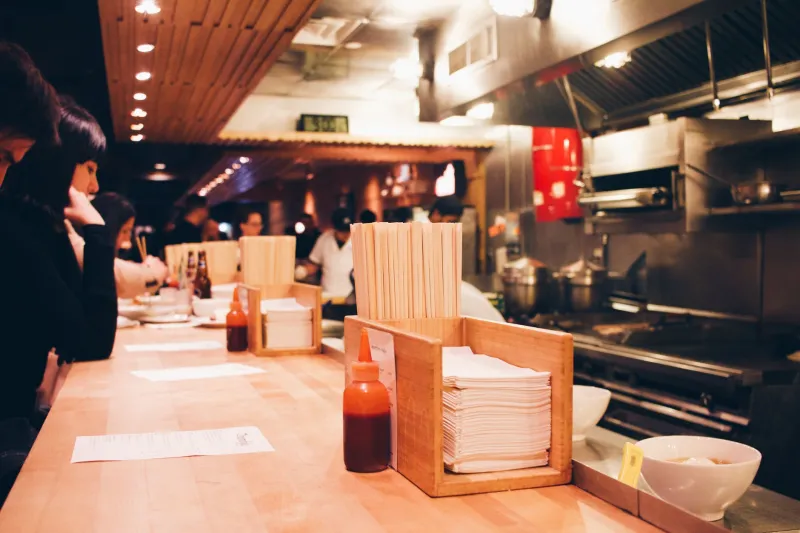
The consensus: don't announce yourself. Don't come in with the energy of someone who has done research. Don't mention that you found the place on a list. Sit at the bar if there is one. Order something, eat it, pay for it, tip well, and leave without making it weird. Come back. Repeat.
"The people who integrate well are the ones who don't seem to want anything from the place except to be in it," says Marcus. "The ones who come in with this vibe like they've unlocked something — they never really fit. Because they're treating the space like a destination instead of a place."
The distinction is subtle but real. A destination is something you visit. A place is somewhere you belong. The path from one to the other is longer than most people want it to be, but New Yorkers — contrary to their reputation — will let you walk it if you don't try to skip steps.
The Spots That Last
What's striking, talking to longtime residents across the boroughs, is the genuine affection they carry for these spaces — and the anxiety about losing them. A cash-only Cantonese restaurant in Sunset Park that has been feeding the same families for thirty years. A Puerto Rican social club in the Bronx that technically doesn't advertise but somehow always has people. A Haitian hair salon in Flatbush where the back room is, functionally, a neighborhood newspaper.
These places exist in every borough, on every type of block. They're not hidden. They're just not performing for you.
Maybe that's the real secret: the best spots in New York aren't trying to be discovered. And the people who find them anyway tend to be the ones who weren't really looking.